Should chicken pie have a bottom crust?
It is a matter of preference: a bottom crust makes a more substantial, self-contained pie, while a top-crust-only pie is quicker and never suffers a soggy base. Purists argue a true pie is fully cased in pastry. If you add a base, use shortcrust and take steps against sogginess.
By the chickenpie.net test kitchen · Published 11 August 2026
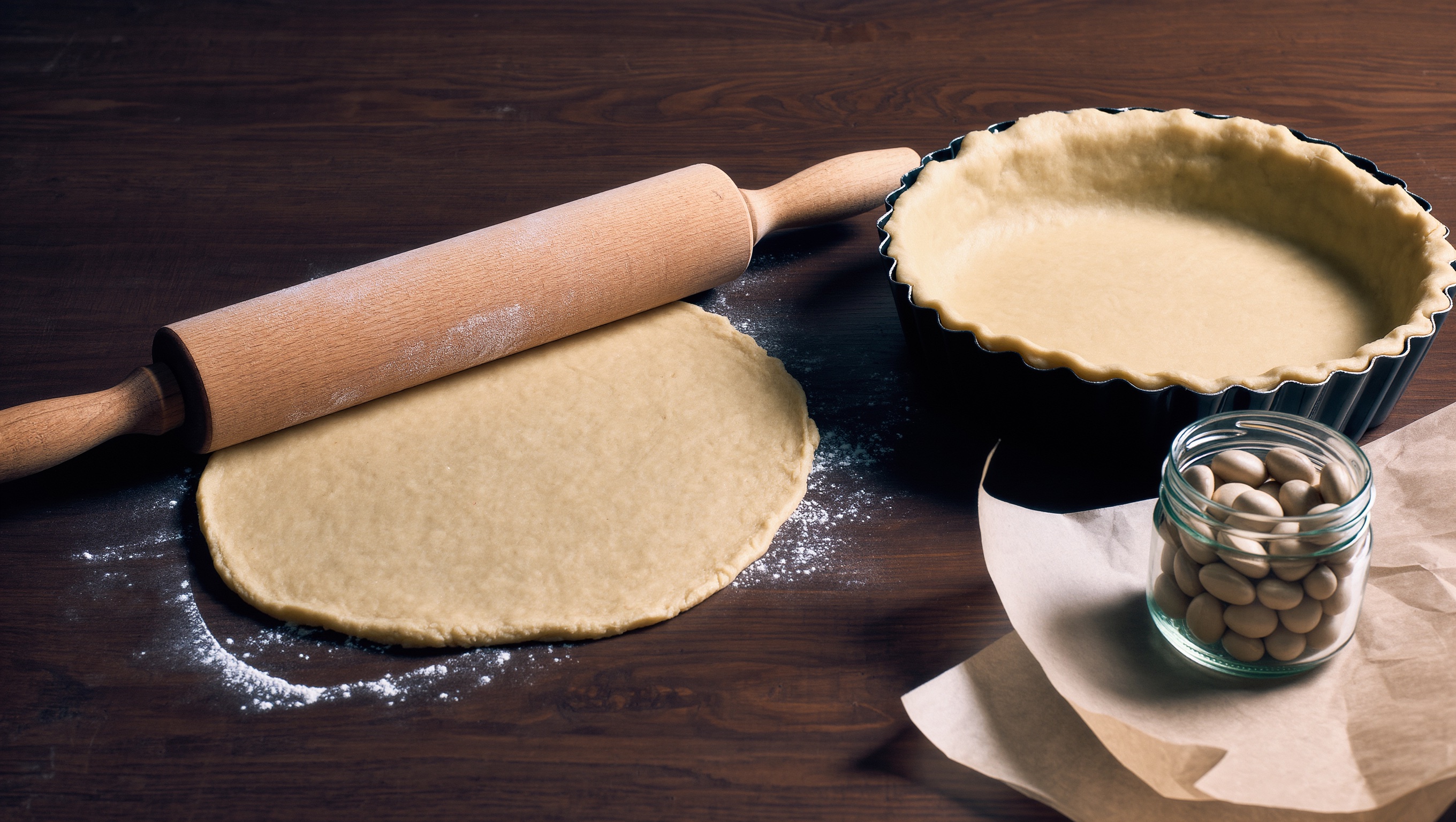
The case for a full base
A double-crust pie is portable, sliceable and complete. The base holds the filling so a slice stands up on the plate, and the pastry-to-filling ratio pleases anyone who thinks the crust is the point of a pie.
There is also the definitional argument, made loudly by pie purists and some pub menus: if the filling merely wears a pastry hat, it is a casserole with a lid, not a pie. History sides with them, since the medieval coffyn was a fully enclosed case.
The case for a lid only
A top-crust pie is faster, lighter and immune to the soggy bottom, the commonest fault in home pie making. Wet, creamy chicken fillings are exactly the sort that soak a base.
It also suits puff pastry, which rises best as an unweighted lid, and it lets you assemble the pie in the dish the filling was cooked in. For a weeknight, the lid-only pie is the honest choice.
Timing splits the two camps as well. A lid-only pie is oven-ready in the time the filling takes to cool, while a double-crust pie with a blind-baked base adds a good 45 minutes to the job. Save the full casing for weekends and guests, and let the weeknight version go without.
If you bake a base, protect it
Success with a bottom crust comes down to keeping it drier than the filling wants it to be.
- Use shortcrust for the base even if the lid is puff, as it resists moisture better
- Chill the filling completely before assembly
- Blind bake the base for 15 minutes for the crispest result
- Brush the parbaked base with egg wash to seal it
- Bake on a preheated baking sheet at 200C (400F), on a low shelf